
Search Engine Optimization (SEO) remains one of the most powerful digital marketing strategies in 2026. With billions of searches performed daily, SEO helps websites rank higher in organic search results, driving qualified traffic without the ongoing costs of paid advertising.
As Google and other search engines evolve with AI-powered algorithms, core principles stay consistent: deliver exceptional user experiences and valuable content. Businesses that master SEO gain sustainable visibility, higher conversions, and long-term brand authority.
Why SEO Matters More Than Ever
In an era where over 68% of online experiences begin with a search engine, appearing on the first page is crucial. Studies show that the top organic result captures approximately 28-34% of clicks, while results beyond page one receive minimal traffic.
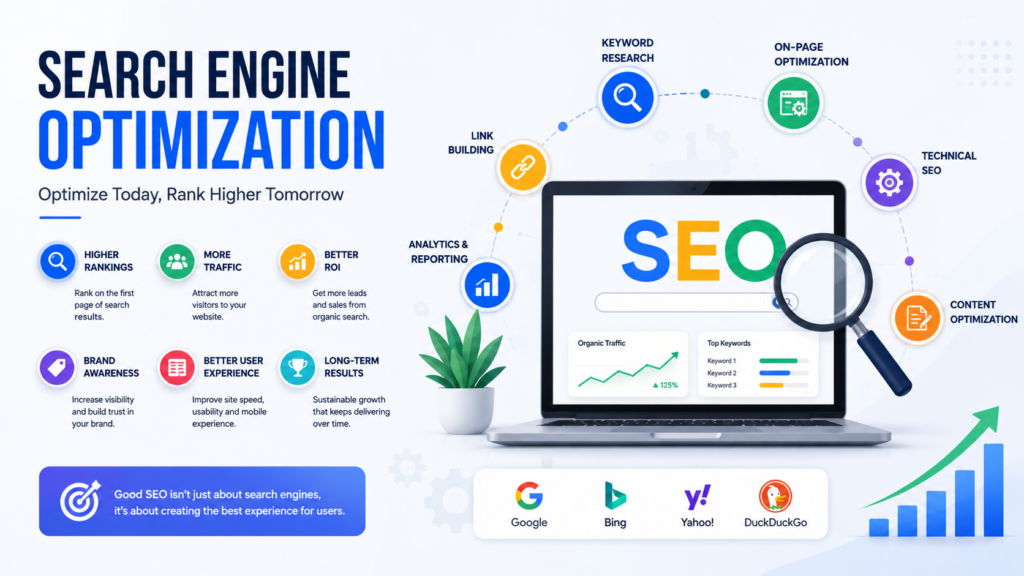
SEO offers several key benefits:
- Cost-Effective Traffic: Unlike PPC ads that stop when budgets run out, SEO delivers compounding returns over time.
- Builds Trust and Credibility: High-ranking websites are perceived as more trustworthy.
- Better User Experience: SEO best practices focus on fast loading times, mobile responsiveness, and intuitive navigation.
- Competitive Advantage: Many businesses still neglect technical SEO, giving prepared companies a significant edge.
Types of SEO You Need to Master
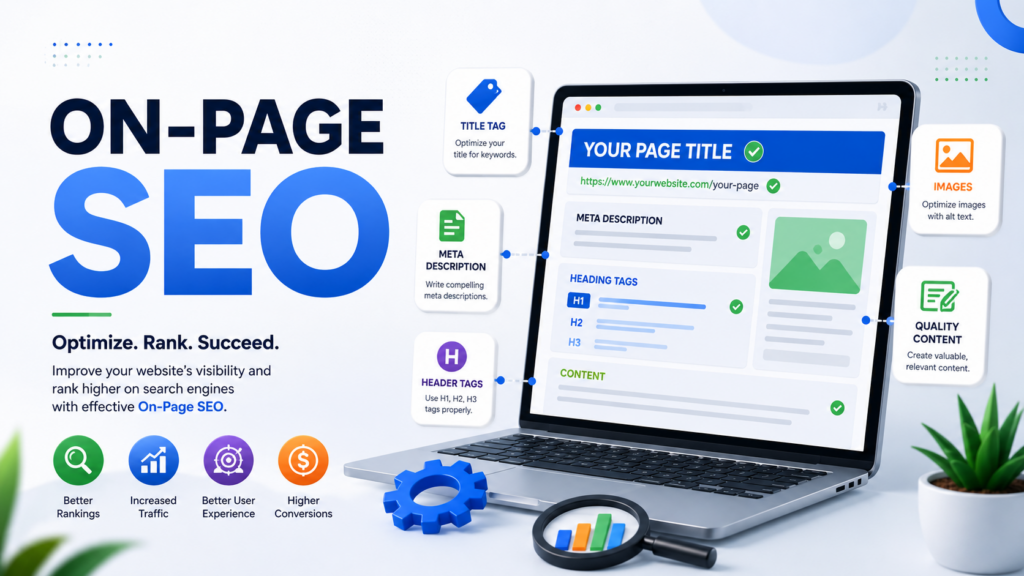
1. On-Page SEO On-page optimization involves elements you control directly on your website. Focus on:
- Comprehensive keyword research targeting primary terms and related long-tail keywords.
- High-quality, original content that thoroughly answers user intent.
- Strategic use of title tags, meta descriptions, header tags (H1-H6), and internal linking.
- Image optimization with descriptive alt text and proper compression.
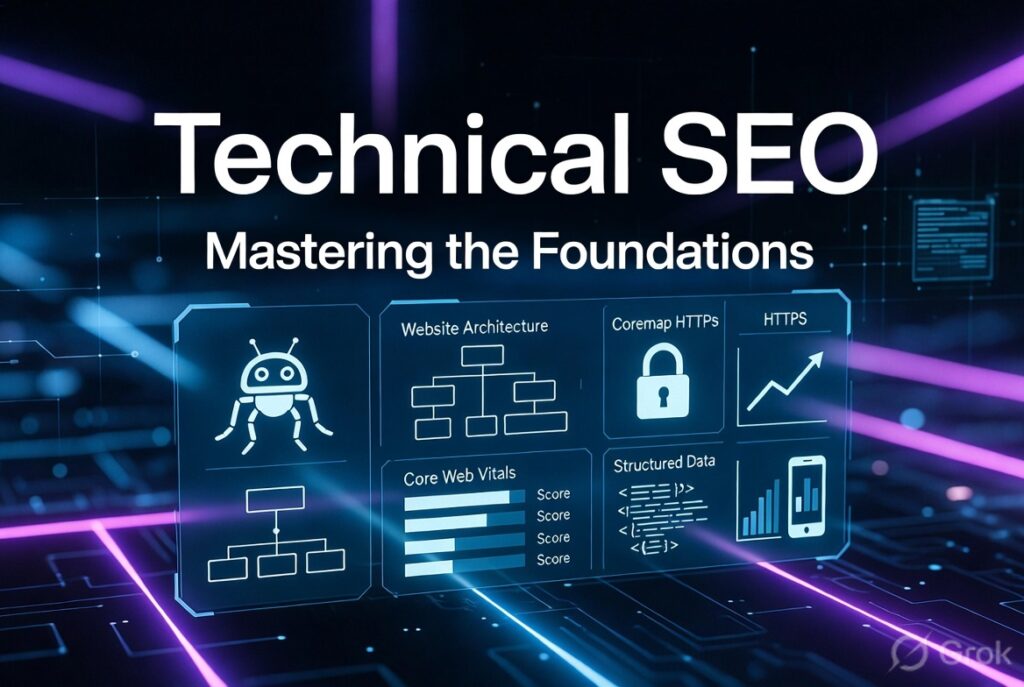
2. Technical SEO Technical foundations ensure search engines can crawl, index, and understand your site efficiently:
- Mobile-first design and Core Web Vitals compliance.
- HTTPS security, fast page speed (under 3 seconds).
- XML sitemaps, robots.txt optimization, and structured data (Schema markup).
- Fixing crawl errors, duplicate content, and orphaned pages.
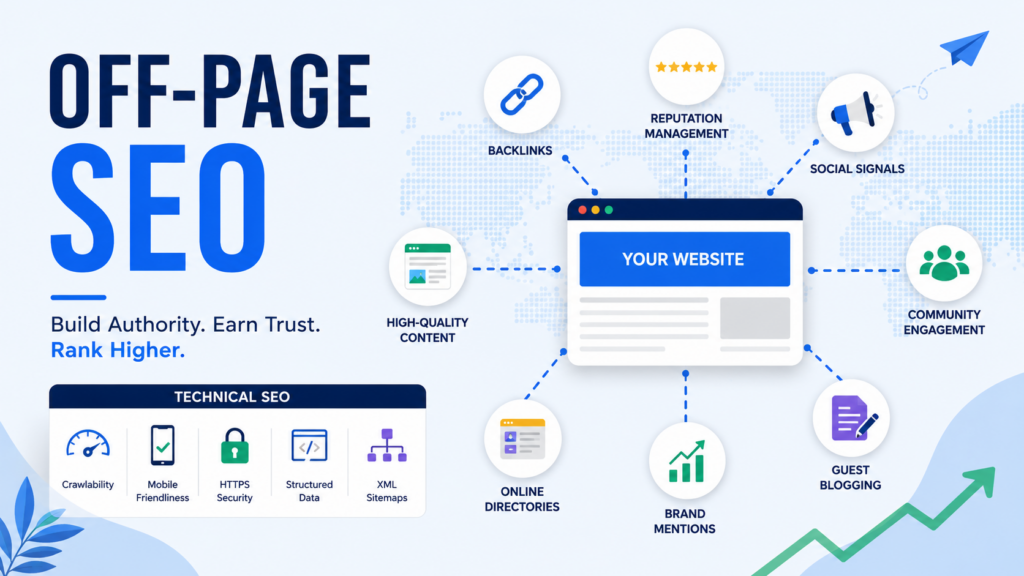
3. Off-Page SEO This primarily involves link building and brand mentions outside your site:
- Earning high-quality backlinks from authoritative domains.
- Social signals and brand mentions.
- Guest posting, influencer collaborations, and digital PR.
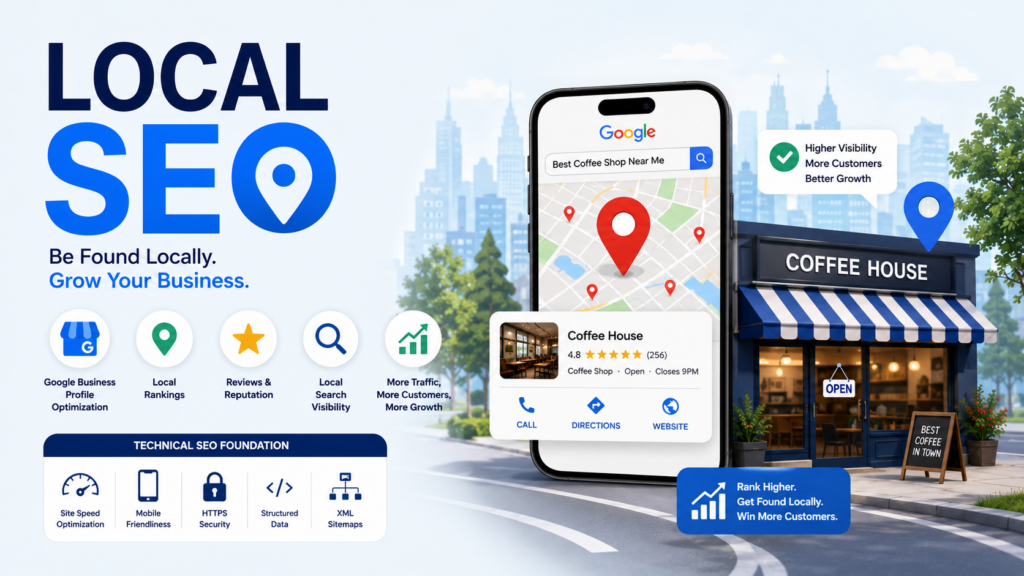
4. Local SEO (for businesses with physical locations) Optimize Google Business Profile, gather positive reviews, and ensure consistent NAP (Name, Address, Phone) information across directories.
Proven SEO Strategies for 2026
- User Intent Optimization Understand the four types of search intent — informational, navigational, transactional, and commercial investigation — and create content that matches what users truly want.
- E-E-A-T Focus Google prioritizes Experience, Expertise, Authoritativeness, and Trustworthiness. Showcase author credentials, cite reliable sources, and maintain transparent contact information.
- Content Clusters and Topic Authority Instead of isolated blog posts, build pillar pages and supporting cluster content around core topics. This helps establish topical authority.
- Voice Search and AI Optimization Optimize for conversational queries and featured snippets. Structure content with clear questions and direct answers.
- Regular Auditing and Monitoring Use tools like Google Search Console, Google Analytics 4, Ahrefs, SEMrush, or Screaming Frog to track performance and identify opportunities.
Common SEO Mistakes to Avoid
- Keyword stuffing or thin content.
- Ignoring mobile optimization.
- Neglecting page speed and user experience.
- Buying low-quality backlinks.
- Failing to update old content regularly.
Measuring SEO Success
Track key metrics such as organic traffic, keyword rankings, bounce rate, conversion rate, and backlink quality. Set realistic goals and be patient — significant results often take 3-6 months or longer.
Conclusion
Search Engine Optimization is both an art and a science. In 2026, success belongs to those who combine technical excellence with genuinely helpful content and a user-first approach. Whether you’re a small business owner, blogger, or enterprise marketer, investing time in SEO will yield impressive long-term returns.
Start by auditing your current website, researching target keywords, and creating a content plan. Consistency and adaptation to algorithm updates will separate winners from the rest.
Ready to improve your search rankings? Begin implementing these strategies today and watch your organic traffic grow steadily.